High-quality semiconductor manufacturing, from quartz to chip
High-quality semiconductor manufacturing is six steps done carefully. Here is each one, where it happens and how we test the result.
Six steps from quartz to chip
The order is set by physics, not by us. Each step runs at sites built for it, and no wafer moves on until it passes that step’s checks.
-
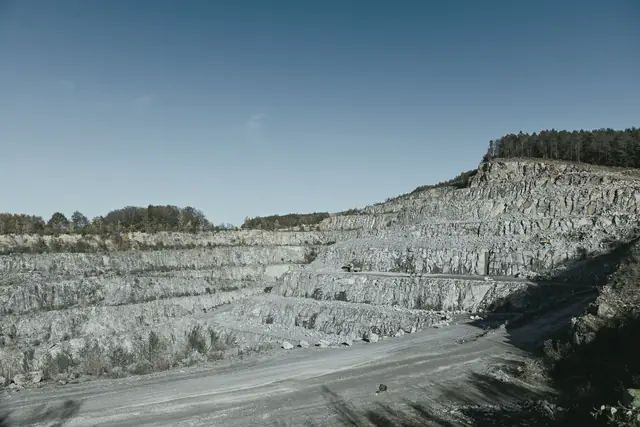
Refine
North Texas
Silicon starts as quartz. We reduce it to silicon and purify it to 99.9999999 percent, nine nines.
-
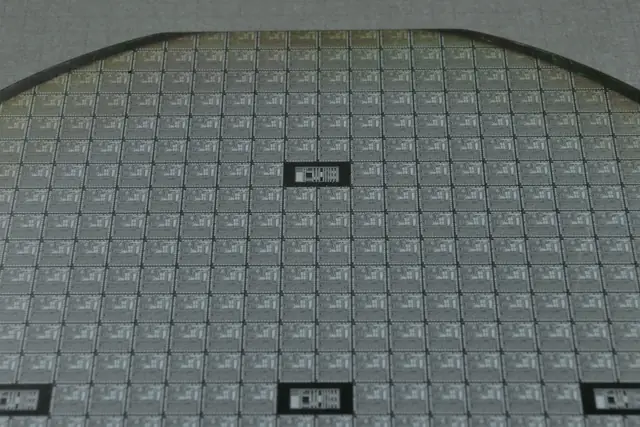
Grow the crystal
North Texas
Pure silicon is melted and drawn slowly into a single crystal ingot about 2 meters long.
-
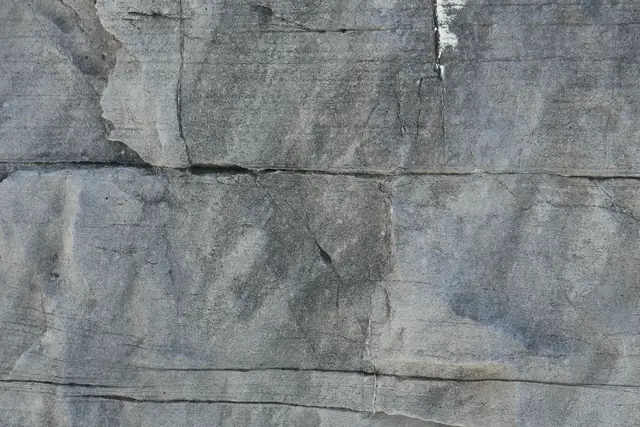
Saw the wafers
North Texas
A wire saw cuts each ingot into wafers less than a millimeter thick, which are then polished flat.
-
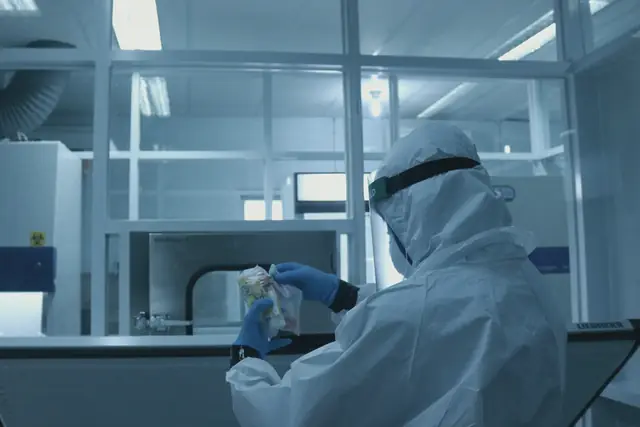
Pattern
Taiwan and Arizona
Lithography prints the circuits one layer at a time, more than 60 layers for a StoneCold GPU.
-
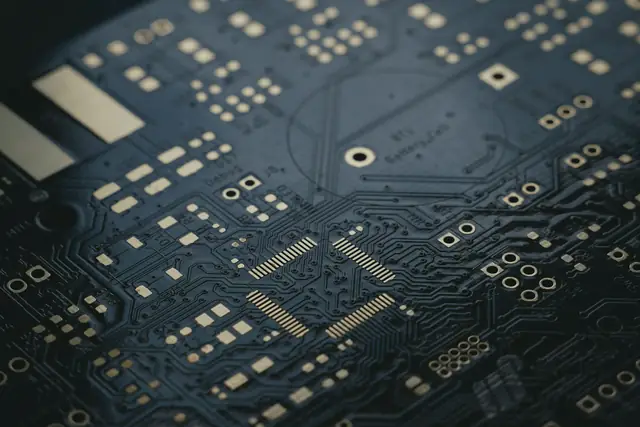
Dice and package
Taiwan, Malaysia and Germany
Each wafer is cut into dies. Every die is mounted on its package, lidded and laser-marked.
-
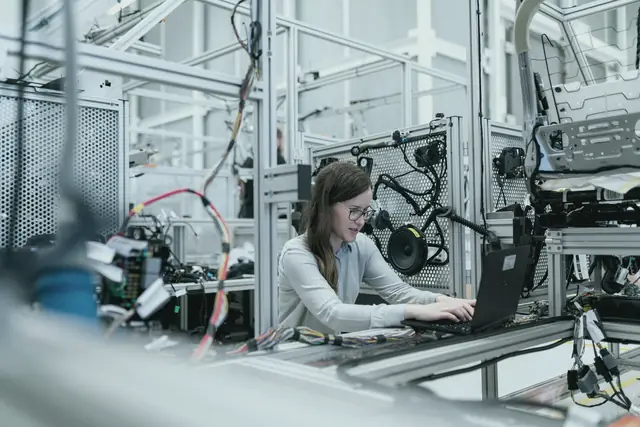
Test
Malaysia, Ireland, Mexico and Vietnam
Every CPU and GPU runs a burn-in test under full load before it ships, and every board is built to IPC-A-610 Class 3.
Every factory region and what it builds is on the Distribution & Shipping map of our 52 factories.
Specifications shown are concept values. Performance varies by system configuration, workload and cooling.
How we test for longevity
Passing on day one is half the job. These five checks are how we know a part will still run years from now.
-
Burn-in at full load
Every CPU and GPU runs at full load in a heated chamber for [48] hours before it ships. A part that drifts from its test values is pulled, not shipped.
-
Thermal cycling
Parts drawn from every lot cycle [1,000] times between [−40 °C] and [125 °C]: years of cold starts and hot runs, compressed into weeks.
-
Power cycling and sustained clocks
Cards and boards switch on and off [10,000] times, then hold full clocks for [72] hours to confirm the clocks stay sustained.
-
Built to IPC-A-610 Class 3
Every board is assembled and inspected to IPC-A-610 Class 3, the workmanship class for high-reliability electronics.
-
Traced back to the wafer
Each part keeps a record back to its wafer and lot. When a part comes back from the field, we find the step that caused it and fix that step.
Test values in brackets are placeholders until Stone Tech confirms them. Specifications shown are concept values. Performance varies by system configuration, workload and cooling.
52 factories, one standard
Every site works to the same quality system, so a StoneCold SC1000 assembled in Guadalajara is built and tested like one from Bac Ninh.
The sample certificate numbers our sites work to are on Awards & Certifications. What the limited warranty covers, and how to claim, is on Warranty & Returns.
Questions for our engineers
System builders, board partners and suppliers can reach the factory teams directly.
Call Manufacturing & Partners (415) 555-0186 partners@stonetech.exampleMon to Fri, 9 am Eastern to 5 pm Pacific